About Pilibhit Tiger Reserve
Pilibhit Tiger Reserve is one of India's youngest, fastest-growing, and most remarkable tiger conservation success stories. Located in the Terai belt of Uttar Pradesh along the India-Nepal border, this reserve spans the districts of Pilibhit and Shahjahanpur and covers a total area of approximately 730 sq km. Surrounded by dense sal forests, tall elephant grass, seasonal wetlands, and three major rivers — the Sharda, Khakra, and Mala — Pilibhit offers a wildlife experience that is raw, immersive, and deeply rewarding for every type of visitor.
What makes Pilibhit forest truly special is not just its thriving tiger population but the extraordinary speed of its conservation achievement. Recognized as India's 46th Tiger Reserve under Project Tiger in June 2014, Pilibhit achieved a remarkable conservation milestone by doubling its tiger population within four years, earning the prestigious WWF TX2 Award in 2020, becoming the first tiger reserve among 13 tiger range countries worldwide to receive this honour. In the same year, it was also recognised as part of a UNESCO Biosphere Reserve. These back-to-back global recognitions in a single year placed Pilibhit firmly on the world wildlife conservation map.
Location and Geography
Pilibhit Tiger Reserve sits in the Terai region of northern Uttar Pradesh, a narrow strip of land between the foothills of the Himalayas and the Indo-Gangetic plains.
This unique geographic position gives the reserve its characteristic landscape — a mix of dense sal forest, open grasslands, riverine forest, and seasonal wetlands that together create one of the most diverse and productive wildlife habitats in North India.
The reserve shares its northern boundary with Nepal, forming a critical part of the transboundary Terai Arc Landscape, one of Asia's most significant wildlife corridors connecting protected forests across India and Nepal. This connectivity means wildlife, including tigers, leopards, and elephants, moves freely across the India-Nepal border, making Pilibhit an integral part of a much larger and ecologically vital landscape
History of Pilibhit Tiger Reserve
The forests of Pilibhit have a long and layered history. During the British colonial era, these dense Terai forests served as private hunting grounds for British officials and royal families. After independence in 1947, the forests were managed as timber-yielding reserved forests under the Uttar Pradesh Forest Department, with commercial forestry taking priority over wildlife conservation for several decades.
The transformation of Pilibhit into a protected tiger habitat began in 2005 when wildlife experts submitted the first formal conservation proposal recommending these forests for tiger reserve status.
A detailed proposal was officially submitted to the Government of India in April 2008, and Pilibhit Tiger Reserve was officially established in September 2008. In June 2014, it was formally declared India's 46th Tiger Reserve under Project Tiger.
The pace of tiger recovery that followed was extraordinary. From approximately 25 tigers in 2014, the population grew to over 65 tigers by 2018-19 a near tripling in just four years that earned Pilibhit the global TX2 Award in November 2020 and UNESCO Biosphere Reserve recognition in December 2020.
Forest Type and Landscape
Pilibhit Tiger Reserve is part of the Terai Arc Landscape and its vegetation reflects the classic characteristics of the Terai ecosystem, one of the most biologically rich and ecologically important landscapes in South Asia.
Sal Forest
Sal trees dominate the landscape of Pilibhit, creating dense forest stretches that offer excellent shelter for tigers, leopards, and other wildlife. The sal forests of Pilibhit are among the finest in Uttar Pradesh, with a thick canopy that supports a diverse range of flora and fauna beneath.
Tall Grasslands
Open grassland patches and tall elephant grass meadows are a defining feature of the Pilibhit landscape. These grasslands are critical habitat for swamp deer, hog deer, and other herbivores that form the prey base for tigers. They also support a rich variety of grassland bird species including the Bengal Florican, one of the most endangered birds in India.
Riverine Forest
The Sharda, Khakra, and Mala rivers flow through the reserve, creating rich riverine forest habitats along their banks. These river corridors offer some of the best wildlife viewing opportunities in Pilibhit, especially during the summer when animals gather around water sources.
Wetlands and Seasonal Water Bodies
Pilibhit has numerous seasonal wetlands and water bodies that support mugger crocodiles, gharials, various turtle species, and an exceptional diversity of waterbirds. These wetlands play a vital role in shaping the reserve’s unique ecosystem and rank it among Uttar Pradesh’s top wildlife destinations.
Wildlife of Pilibhit Tiger Reserve
Pilibhit Tiger Reserve is home to an extraordinary range of wildlife across mammals, birds, reptiles, and amphibians. The diversity of habitats — sal forest, grassland, riverine corridors, and wetlands — supports one of the richest wildlife populations of any tiger reserve in North India.
Mammals
- Bengal Tiger — over 65 tigers recorded
- Indian Leopard
- Sloth Bear
- Indian Wild Dog (Dhole)
- Asian Elephant (seasonal movement)
- Swamp Deer (Barasingha)
- Hog Deer
- Sambar Deer
- Chital (Spotted Deer)
- Barking Deer
- Nilgai (Blue Bull)
- Wild Boar
Birds — Over 400 Species
- Bengal Florican — one of India's most endangered birds
- Sarus Crane — world's tallest flying bird
- Swamp Francolin
- Hodgson's Bushchat
- Lesser Adjutant Stork
- Great Hornbill
- Crested Serpent Eagle
- Fishing Eagle
- Various migratory waterfowl (Nov–Feb)
Reptiles
- Mugger Crocodile
- Gharial
- Indian Python
- King Cobra
- Monitor Lizard
- Various turtle species in rivers and wetlands
Terai Arc Landscape — Pilibhit's Ecological Importance
Pilibhit Tiger Reserve is a critical component of the Terai Arc Landscape, one of Asia's most significant transboundary wildlife corridors. This landscape spans approximately 49,000 sq km across the Terai region of India and Nepal and connects 12 protected areas including Corbett, Dudhwa, Katerniaghat, Valmiki, and Chitwan through forest corridors that allow free wildlife movement across national boundaries.
Pilibhit's location within this wildlife corridor gives it ecological importance that extends well beyond its own borders. Tigers, leopards, and elephants that move through Pilibhit contribute to the genetic health and population resilience of the entire Terai Arc tiger population. Conservation work in Pilibhit directly benefits the broader Terai landscape and the long-term survival of the Bengal tiger in South Asia.
Safari Zones of Pilibhit Tiger Reserve
Pilibhit Tiger Reserve is divided into core and buffer zones, each offering a distinct forest character and wildlife experience. The reserve has multiple safari entry gates serving different sections of the core and buffer zones.
Core Zone
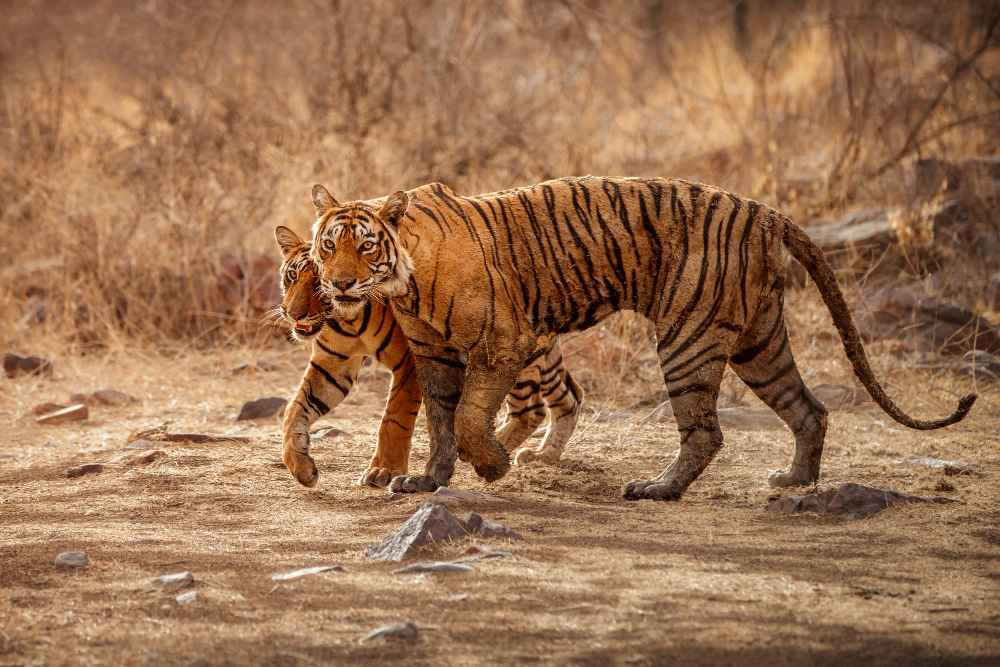
The core zone covers approximately 602 sq km and is the primary tiger habitat of the reserve. Jeep safaris inside the core zone offer the highest probability of tiger sightings and the most immersive wildlife experience in Pilibhit.
Buffer Zone
The buffer zone covers approximately 127 sq km surrounding the core area. Buffer zone safaris provide additional wildlife watching opportunities and are particularly good for birdwatching and herbivore sightings in the grassland and riverine areas of the reserve.
Permit Booking
All safaris inside Pilibhit Tiger Reserve require advance permit booking. A licensed forest guide is mandatory for all safari types independent entry is not permitted.
Conservation Achievements of Pilibhit Tiger Reserve
Pilibhit Tiger Reserve has achieved more in a shorter time than almost any other tiger reserve in India. Its conservation record stands as a model for wildlife management across the country and the world.
These achievements are the result of dedicated anti-poaching efforts, strong community involvement, effective habitat management, and consistent monitoring of tiger movement across the reserve and its surrounding corridors.
Best Time to Visit Pilibhit Tiger Reserve
Pilibhit Tiger Reserve is open for wildlife safari from November to June every year.
Why Visit Pilibhit Tiger Reserve?
Pilibhit Tiger Reserve offers something that very few wildlife destinations in India can match: a combination of exceptional tiger sighting probability, rich bird diversity, scenic Terai landscape, and a conservation story that is genuinely inspiring.
It is not yet as crowded or commercially developed as Corbett, Ranthambore, or Kanha, which means every safari here still carries the feeling of genuine discovery.
For wildlife photographers, the open grassland and riverine stretches offer extraordinary shooting conditions.
For birdwatchers, the 400+ species including the Bengal Florican make it one of the most important birdwatching sites in North India.
For families and first-time wildlife visitors, the reserve's growing tourism infrastructure and its accessibility from Delhi, Bareilly, and Lucknow make it one of the most practical and rewarding tiger safari destinations in Uttar Pradesh.
Whether you're a dedicated wildlife enthusiast, a nature admirer, or a traveller looking for an authentic jungle adventure, Pilibhit Tiger Reserve offers a memorable experience in the heart of the Terai landscape, an unforgettable experience that lingers long after your safari is over.