What is Chuka Beach
Chuka Beach is an eco-tourism spot located inside Pilibhit Tiger Reserve on the banks of the Sharda Sagar Dam in Pilibhit district, Uttar Pradesh. It sits between the Sharda Canal and the Sharda Sagar Dam and the road leading to it runs for about 10 kilometres through thick forest lined with Pakar and Peepal trees. By the time you reach the beach, the city feels very far away because it actually is.
The spot is known by two names. Some call it Chuka Beach. Others call it Chuka Tiger Reserve. Both refer to the same place, a sandy riverside stretch inside one of the most biologically rich forests in North India, now developed as a proper eco-tourism destination by the Forest Department of Uttar Pradesh.

There is No Other Place Quite Like This in Uttar Pradesh
You are standing on a sandy bank that looks like a riverfront but the sounds around you are entirely jungle. Monkeys in the trees. Ducks on the water. The Sharda Sagar Dam is calm and wide in front of you. Wild boar and hare moving through the undergrowth behind. Flamingos and quails near the water edges.
And if you are lucky and patient, the Chuka Tigress, a well-known individual tiger who lives in this zone might just walk the trail near the bank in the early morning.
Chuka Beach inside Pilibhit Tiger Reserve is spread across roughly 10 km of forest road. The road itself is worth the drive. Dense canopy overhead, canal water running alongside, birds calling from both sides. The destination and the journey are both part of the experience here.
Activities at Chuka Beach
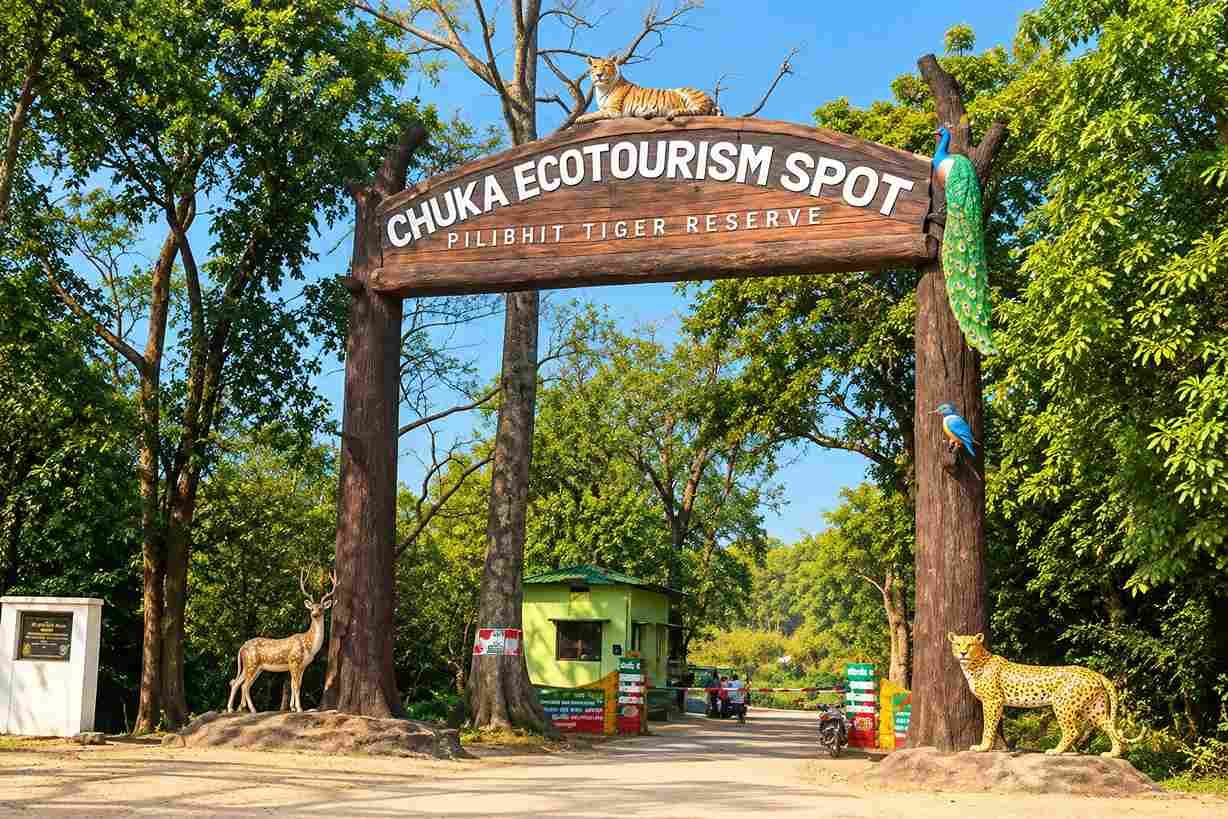
The Mustafabad Gate — also called Chuka Gate — is the entry point for safaris in this zone. Safari slots are available in both morning and evening. Morning safari gives you the best chance of spotting tigers, leopards, and deer on and near the forest roads. Evening safari offers golden light over the forest and river which wildlife photographers specifically come for.
| Season | Morning | Evening |
|---|---|---|
| Winter | 7:00 AM – 10:00 AM | 2:00 PM – 5:00 PM |
| Summer | 6:00 AM – 9:00 AM | 2:30 PM – 5:30 PM |
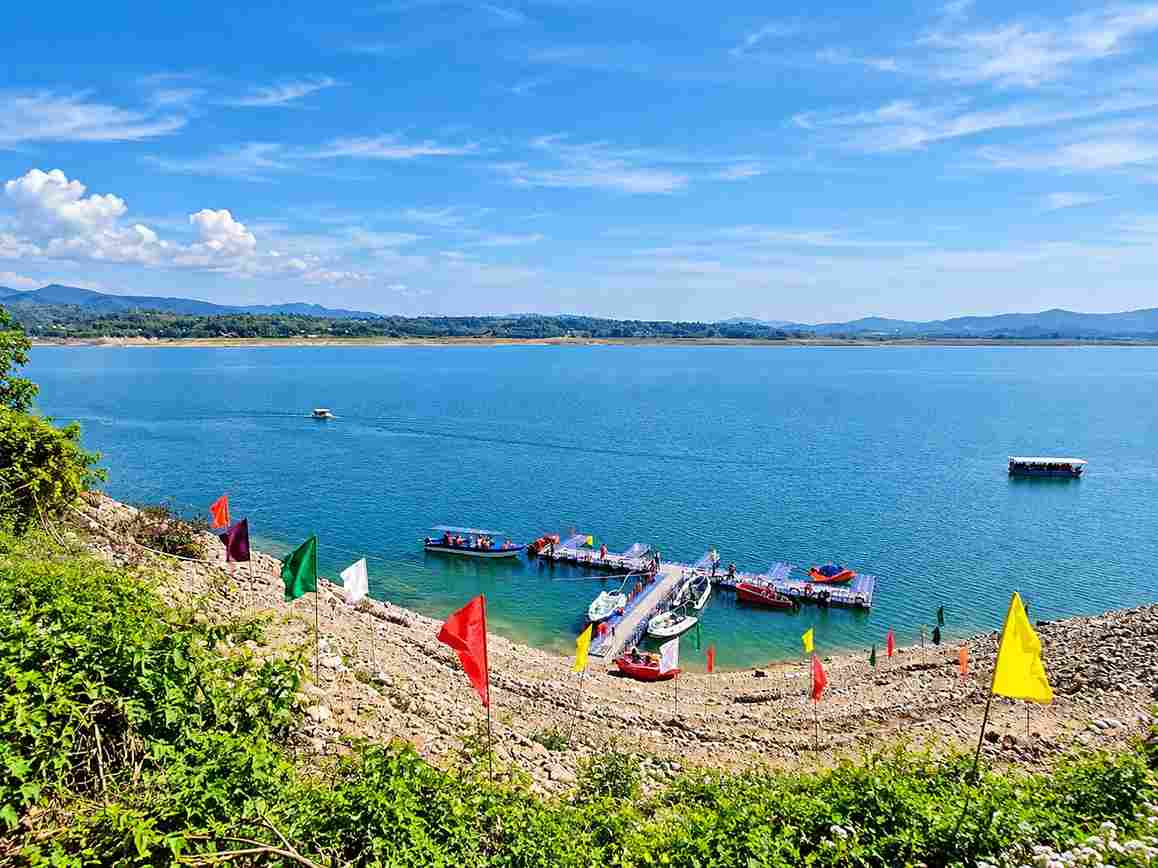
One of the most peaceful things you can do at Chuka Beach is get on a boat on the Sharda Sagar Dam. The water is calm, the forest sits on all sides, and in winter the dam surface fills up with migratory birds — bar-headed geese, tufted ducks, red-crested pochards, and various herons. Smooth-coated otters are also spotted along the reservoir edges. Morning is the best time for a boat ride when the light is low and the birds are most active.
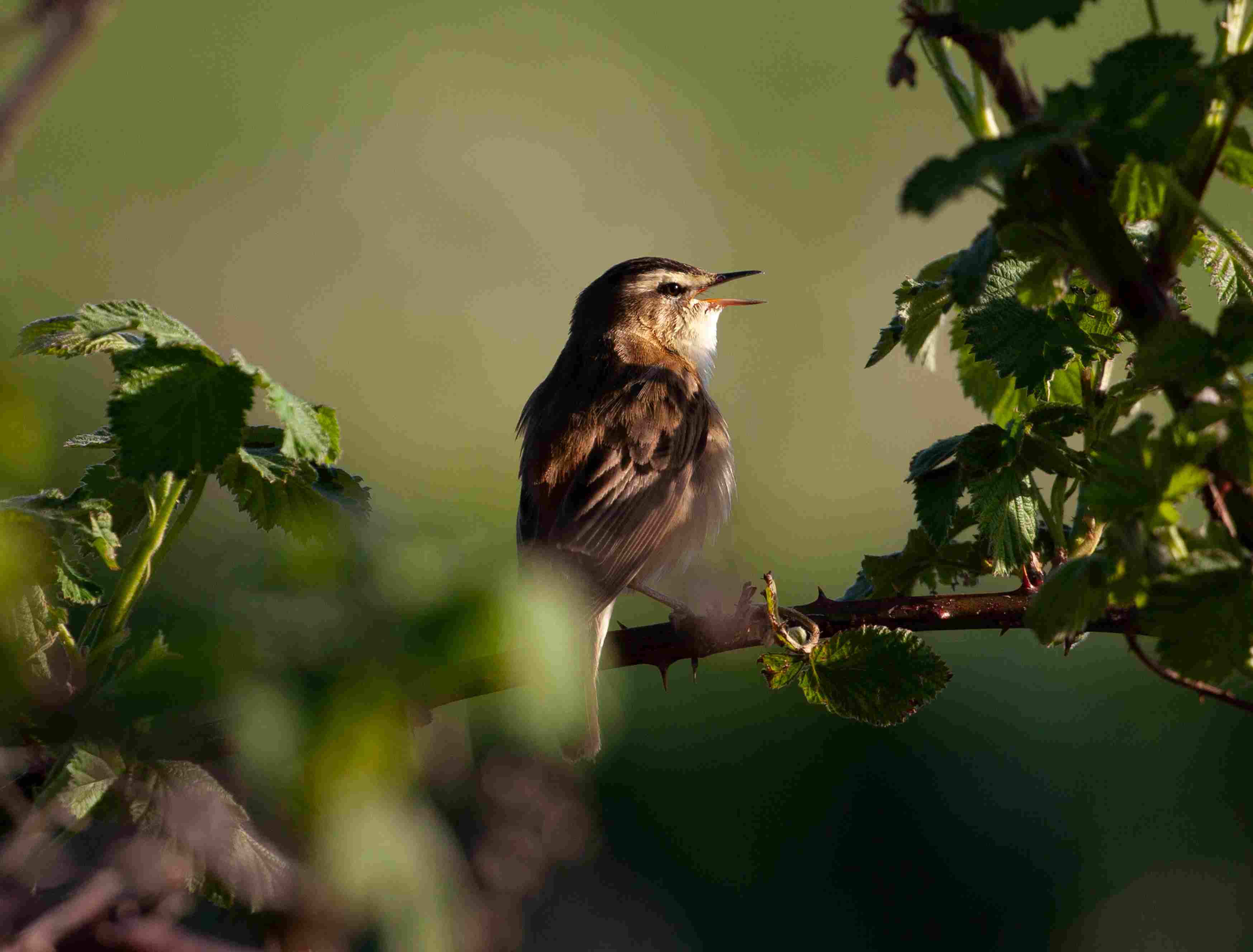
Chuka Beach and the wetlands around the Sharda Sagar Dam are among the finest bird watching spots inside Pilibhit Tiger Reserve. Over 400 bird species have been recorded across the reserve and a good number of them concentrate around this area. Flamingos, ducks, quails, kingfishers, egrets, and storks are regularly seen near the water. Winter months from October to March bring in migratory species from Central Asia making the bird count here genuinely impressive during that season.

Chuka Beach gives wildlife photographers something rare: open water, sandy banks, forest backdrop, and animals in natural light. Sunrise and sunset at the dam produce the kind of colours that need no filter. Tigers have been photographed on the forest trails near the beach. Crocodiles sit on the sandy banks in full morning light. Birds come in at dusk in large numbers. Carry a telephoto lens and plan both the morning and evening slots for the best results.
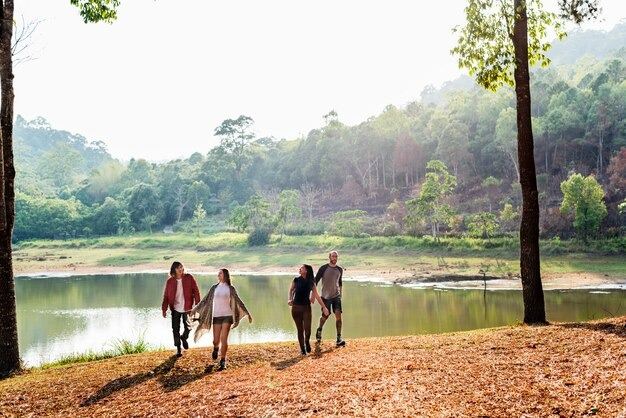
Lakeside and Forest Walks
The forest department allows guided walks along designated areas near the beach. Walking the forest edge near the dam in the early morning is a different experience from sitting inside a safari gypsy. You hear the jungle differently. Animal tracks on the soft sand near the water tell you what came through in the night. A trained guide can read those tracks and the whole walk becomes a lesson in how the forest actually functions.
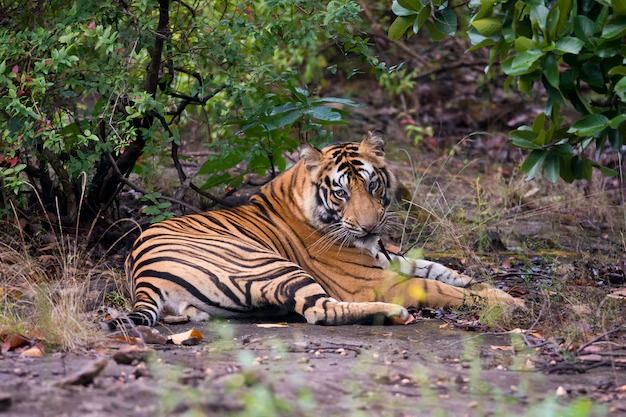
Wildlife You Can See Near Chuka Beach
The area around Chuka Beach is one of the most active wildlife zones in Pilibhit Tiger Reserve. Here is what regularly shows up:
Best Time to Visit Chuka Beach
How to Reach Chuka Beach
Chuka Beach is located approximately 63 km from Pilibhit Junction railway station via the Mustafabad Gate route.
By Road
From Pilibhit city drive towards Puranpur and then take the road to Mustafabad Gate. The Chuka Beach eco-tourism area is accessed through this gate. The distance from Pilibhit city is around 55 to 60 km.
By Train
Nearest railway stations are Pilibhit Junction (approximately 63 km from Mustafabad Chuka Gate) and Puranpur (approximately 12 km from Mustafabad Chuka Gate). Local taxis and autos are available from both stations.
From Delhi
Delhi to Chuka Beach is approximately 310 to 365 km by road via Moradabad and Bareilly. Drive time is around 6 to 7 hours.
From Lucknow
Lucknow to Chuka Beach is approximately 250 to 270 km and takes around 5 to 5.5 hours by road.
Things to Keep in Mind Before You Visit
Carry a valid government issued ID proof — the same one you used during booking.
All food at Chuka Beach accommodation is vegetarian only.
Book safari and accommodation in advance — this place fills up fast especially on weekends.
Wear earth-toned clothing inside the forest — green, brown, khaki.
No plastic bags allowed inside the reserve.
Flash photography is banned inside the forest.
Stay quiet during safari — loud talking reduces wildlife sighting chances.
The tree house accommodation books out very quickly — book at least 30 days ahead if that is your preference.